

When planning a solar installation, one of the most common questions homeowners and businesses ask is whether to choose an on-grid or off-grid solar system. Both options have distinct advantages, and the right choice depends on your energy needs, budget, location, and backup requirements.
Understanding On-Grid Solar Systems
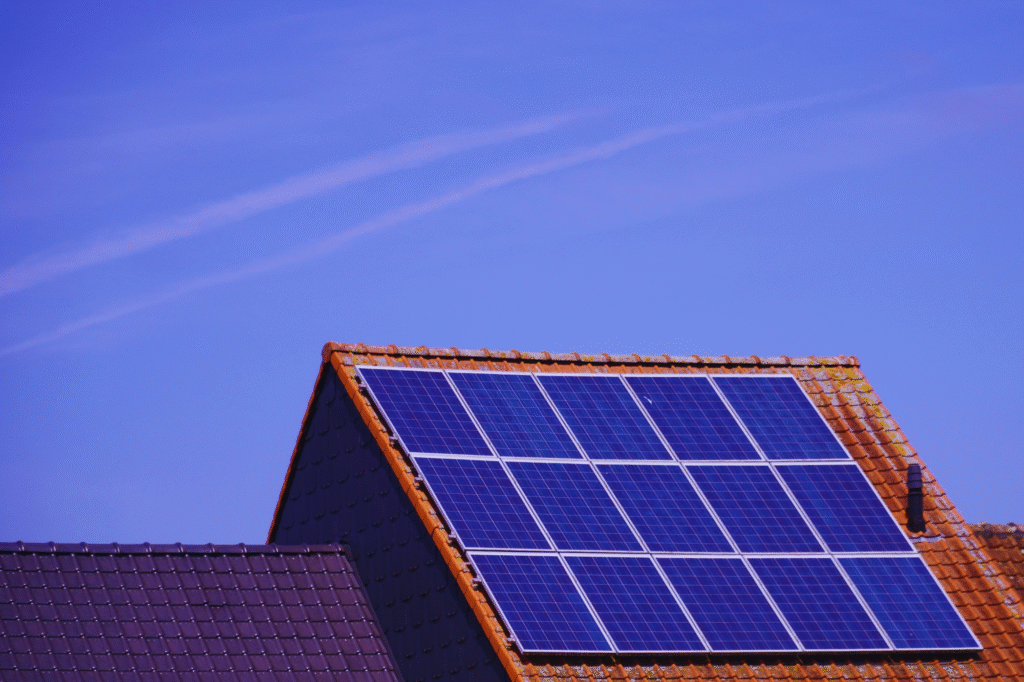
On-grid solar systems are directly connected to the electricity grid. This means any excess electricity generated by your solar panels can be fed back into the grid. In return, you can earn credits or reduce your electricity bills through net metering, which is available in most cities under government programs like PM Surya Ghar Yojana.
On-grid systems are ideal for urban homes, offices, shops, and commercial spaces where grid power is generally stable. They are cost-effective because they require fewer batteries, which lowers the initial investment.
Advantages of On-Grid Systems:
- Reduce electricity bills significantly
- No need for costly battery storage
- Eligible for government subsidies
- Eco-friendly, reduces carbon footprint
Considerations:
- Power backup is only available during grid outages if paired with batteries.
- System efficiency depends on grid availability.
Understanding Off-Grid Solar Systems
Off-grid systems operate independently of the electricity grid. They are designed for areas with frequent power outages or no reliable grid connection, making them perfect for rural homes or remote commercial setups.
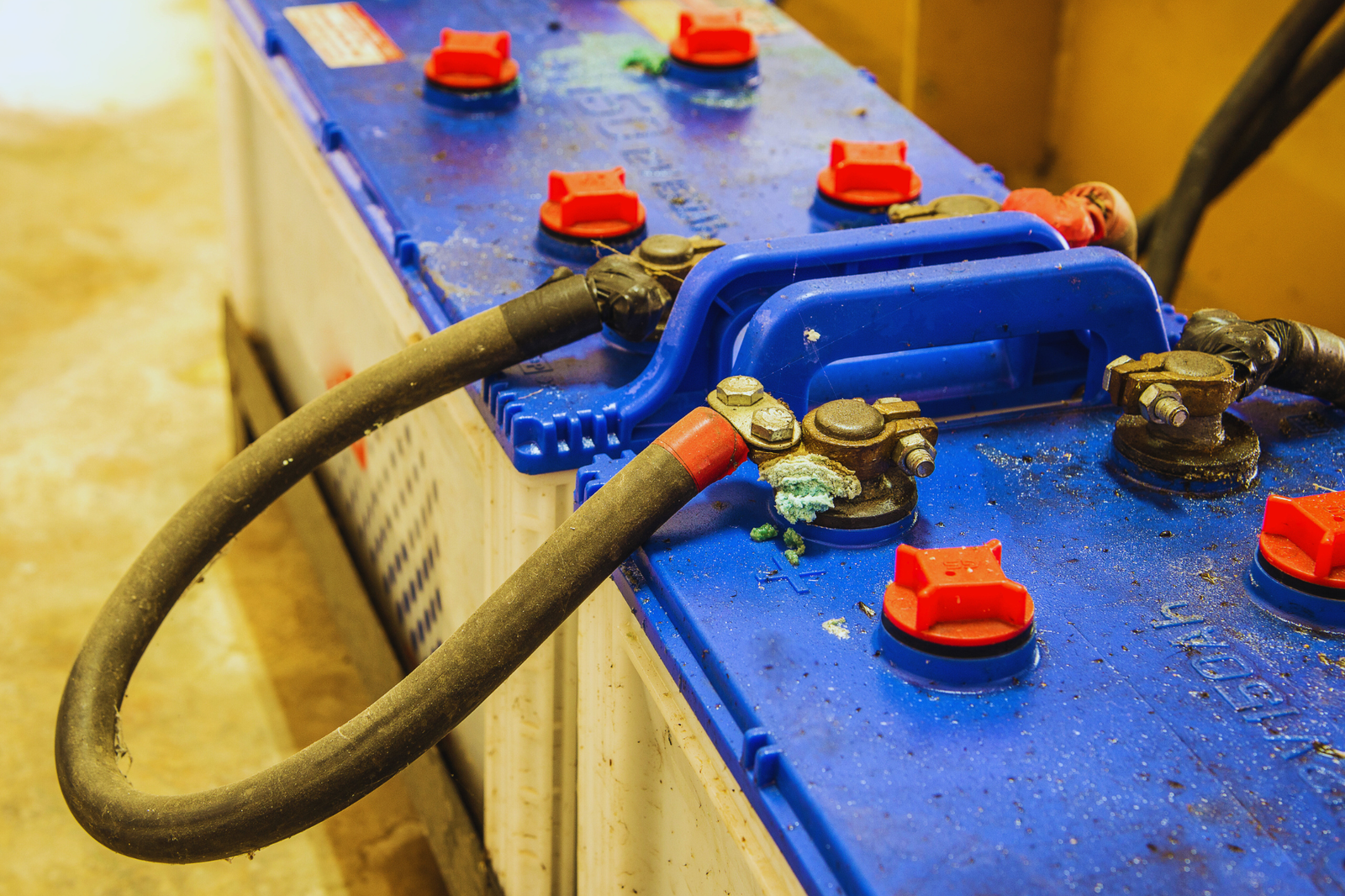
These systems include solar batteries to store energy for use during the night or cloudy days. Off-grid systems ensure uninterrupted power supply and offer complete energy independence.
Advantages of Off-Grid Systems:
- Complete energy independence
- Reliable backup even in areas with no grid
- Ideal for rural homes, remote offices, and industrial setups
Considerations:
- Higher initial cost due to battery storage
- Requires proper sizing and maintenance of batteries
Hybrid Solar Systems – The Best of Both Worlds
Hybrid solar systems combine the benefits of on-grid and off-grid systems. They remain connected to the grid while also using batteries to store energy. This setup ensures electricity bill reduction, uninterrupted backup during outages, and maximum efficiency.
Factors to Consider Before Choosing a System
- Energy consumption – Analyze daily electricity usage.
- Budget – Off-grid and hybrid systems may cost more upfront.
- Location & sunlight availability – Determines system size and efficiency.
- Backup requirements – Decide whether uninterrupted power is critical.
Conclusion
Choosing the right solar system is essential for maximizing savings, efficiency, and long-term reliability. Consulting experts like New Super Electronics ensures your system is designed, installed, and maintained for optimal performance. With proper planning, you can enjoy clean energy, lower bills, and sustainable living for years to come.