



Many customers confuse inverter batteries with solar batteries, but both serve different purposes. An inverter battery is designed to store energy from the grid and provide backup during power cuts, while a solar battery stores energy generated from solar panels. Knowing this difference helps you pick the right product for your home or business.
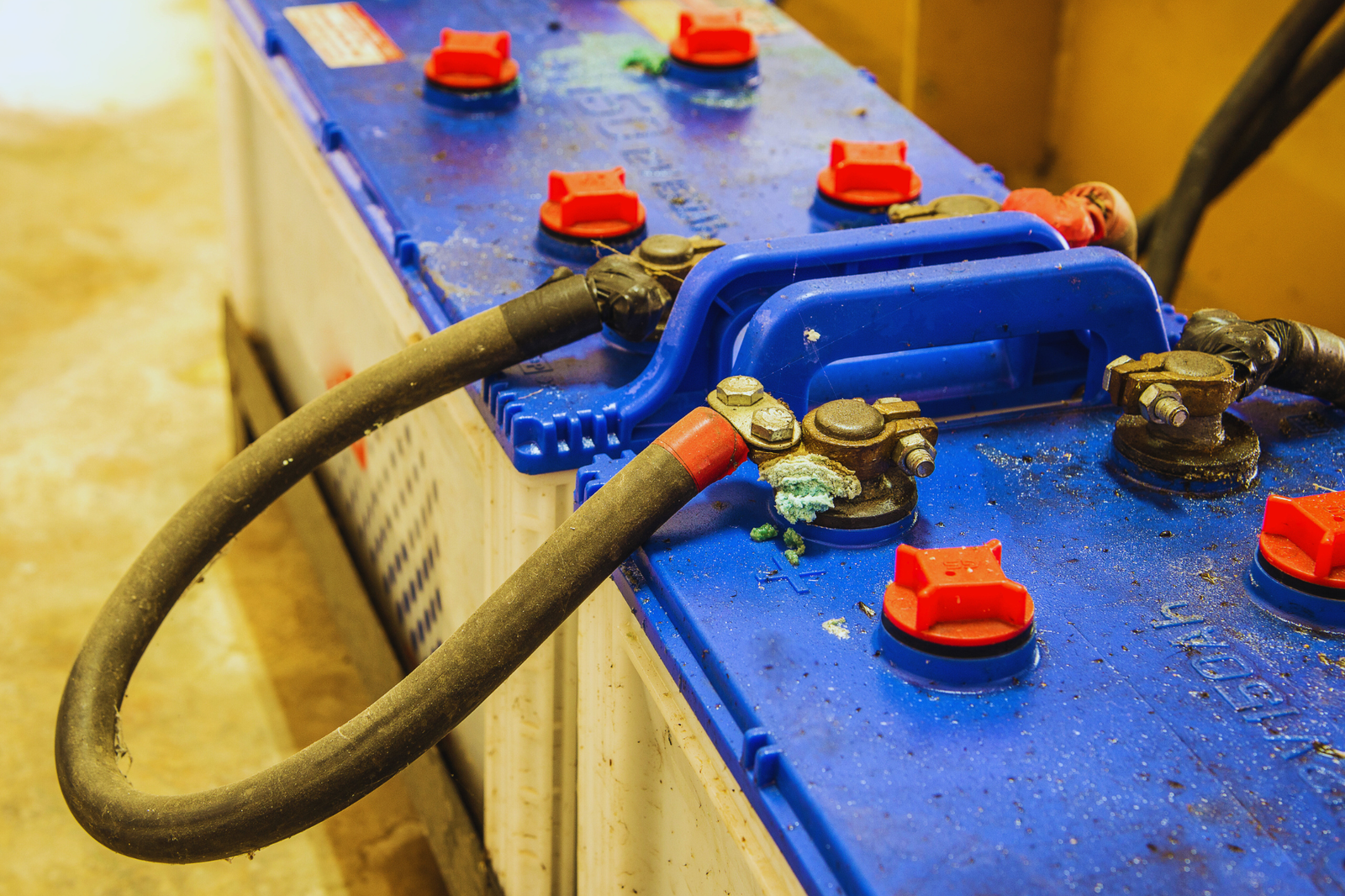
Inverter batteries generally come in tubular, flat plate, and SMF designs. Tubular batteries are preferred for long backup and heavy-duty use, making them suitable for homes with long outages. SMF batteries are maintenance-free and ideal for offices where frequent servicing isn’t possible. Brands like Exide, Amaron, and Livguard offer highly reliable inverter battery options.
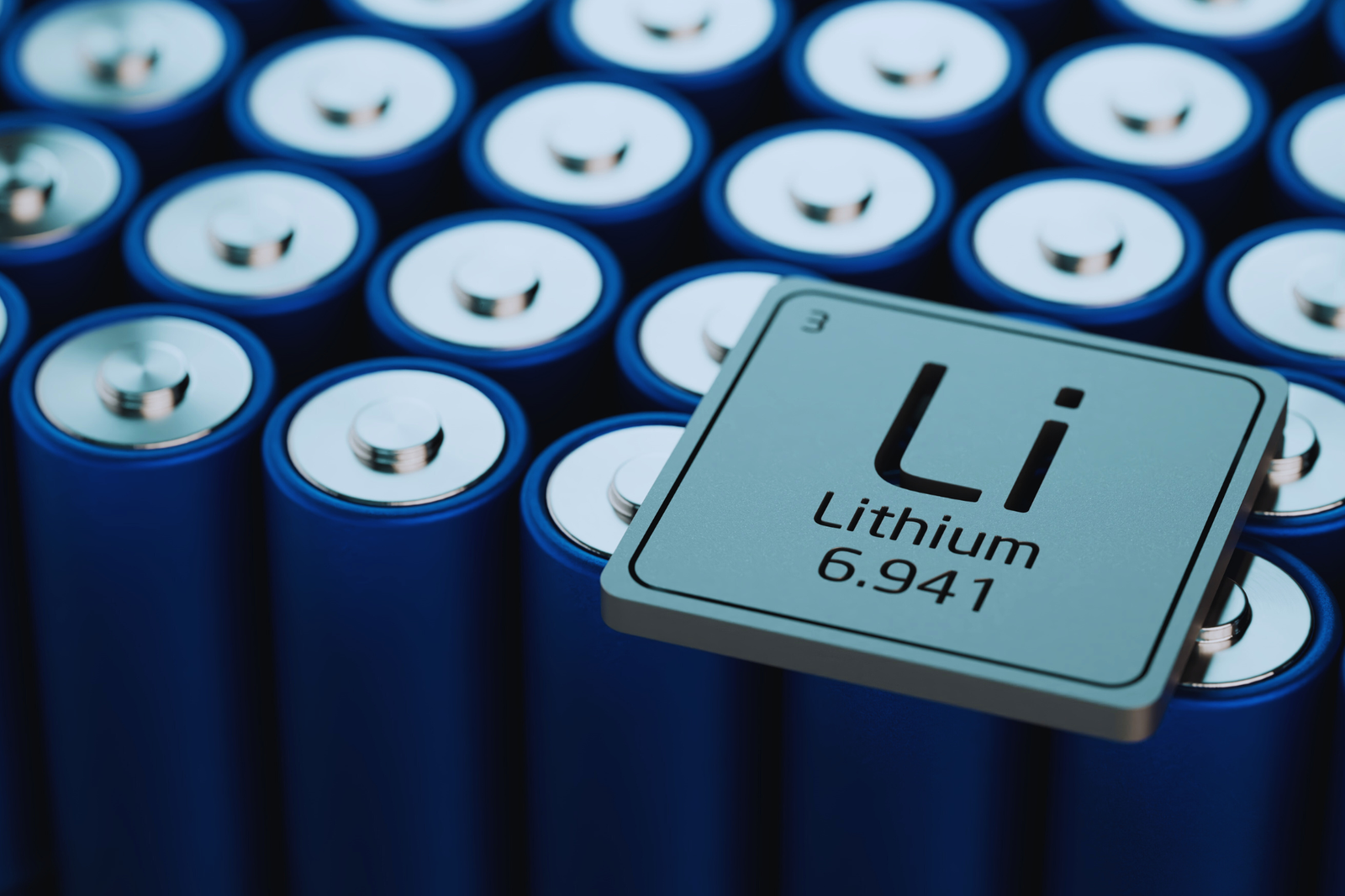
Solar batteries, on the other hand, are built to handle deeper charge cycles, meaning they can be charged and discharged more frequently. This makes them more efficient and durable when connected to solar systems. They support longer load during nights or cloudy days when solar power isn’t available. Solar batteries come in both tubular and lithium-ion variants, with lithium offering higher lifespan and faster charging.
Choosing the correct battery improves system efficiency and extends lifespan. For homes using normal inverters without solar panels, standard inverter batteries work best. For solar-powered homes, solar batteries are essential to avoid performance loss and frequent replacements.
Consulting experts like New Super Electronics helps you identify correct VA ratings, battery capacity, and compatibility for your specific power requirements.
3 Responses
nugrrmfuogkkgkjleqevqfsquiifzz
fripzwowypyfwspvwxkxnunrjqeuxd
ajhBKxveEcjmCijvFfeRV